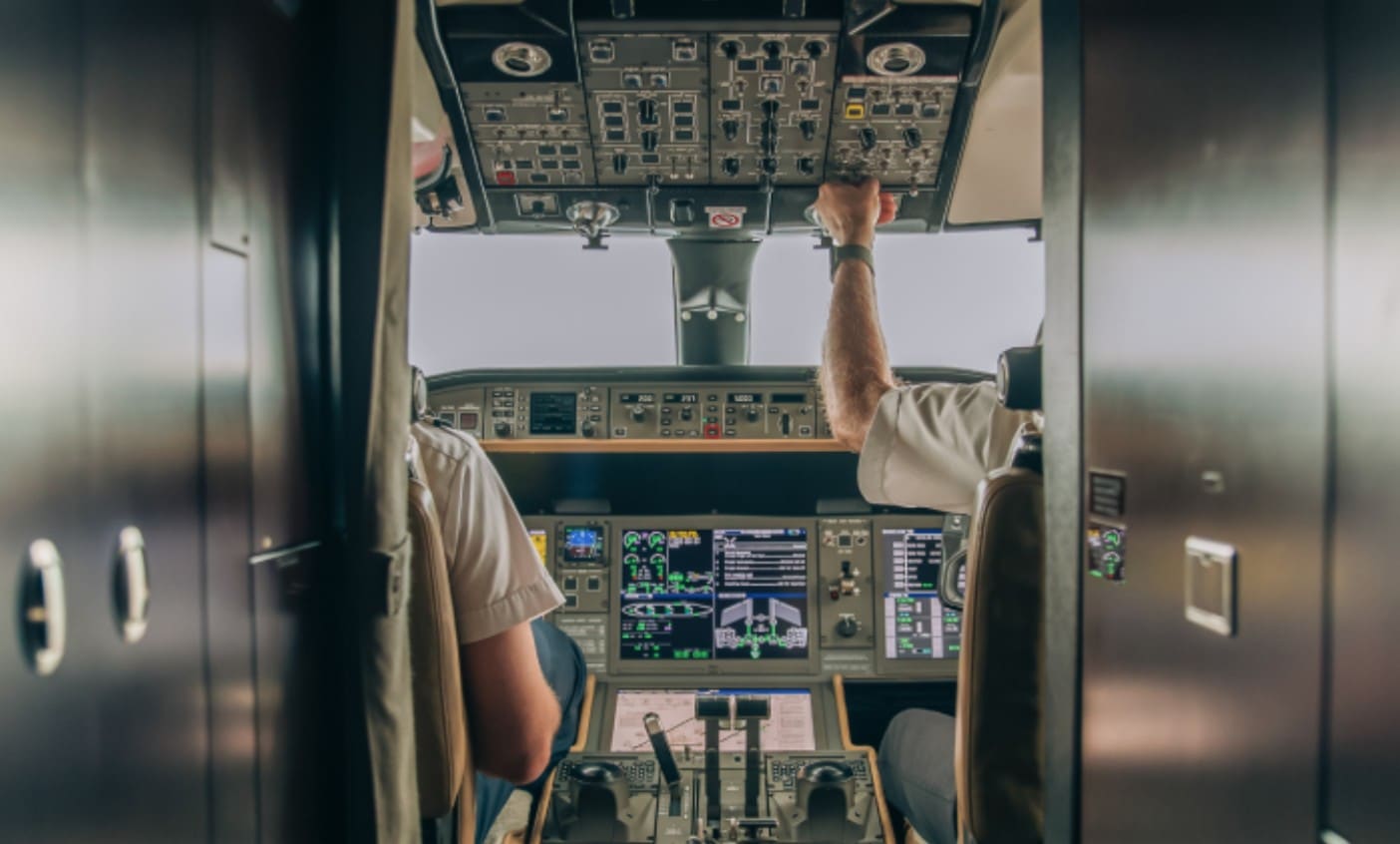
For travellers used to commercial aviation, flying privately can feel surprisingly simple. You choose where you want to go, arrive shortly before departure, board the aircraft, and take off without navigating crowded terminals or lengthy security lines.
Behind that simplicity is a detailed planning process. Private jet flight planning brings together routing, weather, fuel requirements, aircraft performance, crew availability, airport conditions, and passenger preferences before the aircraft leaves the ground.
This becomes especially important for multi-city itineraries, international travel, smaller airports, or changing weather. Understanding what happens behind the scenes gives you a clearer picture of how a private jet charter moves from a confirmed itinerary to departure.
Quick Summary: Once your flight is confirmed, an operations team begins coordinating the details behind your trip. This includes reviewing the route, weather and airspace, calculating fuel, confirming aircraft performance, scheduling the crew, and arranging passenger services. Much of this happens without you seeing it, allowing your experience to remain simple while important operational and safety requirements are handled behind the scenes.
What Happens After a Charter Is Confirmed?
Once your itinerary is confirmed, dispatchers, flight operations teams, pilots, and trip support staff begin turning your requested departure and arrival details into a workable flight plan.
This involves more than selecting the shortest route. Teams consider whether the aircraft is suitable for the trip, current and forecast weather, airport requirements, crew availability, fuel needs, and any restrictions that could affect the flight.
For international itineraries, planning may also involve customs, permits, and international handling. Our guide Can Private Jets Fly Internationally? explains what you can expect when travelling across borders.
What Is Reviewed Before Your Flight?
Planning typically includes:
- Departure and destination airport requirements
- Aircraft range and performance
- Weather forecasts
- Airspace restrictions
- Fuel requirements and reserves
- Alternate airports
- Crew duty requirements
- Passenger services
Each factor can influence another. A weather change, for example, could affect the route, fuel requirements, or even the most appropriate airport for the trip.
Routing, Weather, and Airspace Planning
The most direct route is not always the route your aircraft will actually fly.
Flight planners evaluate weather systems, winds, turbulence, air traffic, temporary flight restrictions, and available airspace. The goal is to develop a route that balances safety, efficiency, and passenger comfort.
Strong headwinds may increase flight time and fuel consumption, while thunderstorms or turbulence may require a route adjustment. Temporary airspace restrictions can also make certain flight paths unavailable.
Conditions at your destination matter too. If the weather could affect landing, an alternate airport may need to be included in the flight plan.
Weather Factors That Can Affect Your Flight
Flight crews and operations teams may evaluate:
- Wind speed and direction
- Thunderstorms and turbulence
- Visibility and cloud ceilings
- Snow, ice, and freezing conditions
- Runway conditions
- Weather at alternate airports
Private aviation offers flexibility, but weather, air traffic, and regulatory requirements still influence every flight.
Fuel Planning and Aircraft Performance
Fuel planning considers more than simply reaching your destination. Planners account for the route, weather, potential delays, required reserves, and alternate airports.
Aircraft performance also depends on passenger and baggage weight, runway length, temperature, and other conditions. These factors can affect how much fuel the aircraft can carry, making it important to select an aircraft with the right range, capacity, and performance for your itinerary.
What Determines a Private Jet’s Fuel Requirements?
Fuel calculations may account for:
- Flight distance
- Expected winds and weather
- Aircraft type
- Passenger and baggage weight
- Air traffic delays
- Required fuel reserves
- Alternate airport requirements
These calculations help ensure the aircraft can complete the trip while maintaining appropriate operational margins.
Crew Duty Rules and Operational Limits
Private aviation offers scheduling flexibility, but pilots must follow duty and rest requirements designed to manage fatigue and support safe operations.
These limits are especially important for multi-leg trips, late departures, extended delays, or last-minute changes. If a delay affects the crew’s available duty time, operations may need to adjust the schedule or arrange another qualified crew.
Repositioning flights also count toward the operational schedule, including when pilots must fly the aircraft to your departure airport before picking you up.
Booking ahead can make complex itineraries easier to coordinate. Our in-depth article on How Early Should You Book a Private Jet explores what to consider when deciding when to reserve your flight.

Coordinating the Passenger Experience
While dispatch and flight crews focus on operational planning, another team may be coordinating the details surrounding your experience.
Depending on your itinerary, this can include catering, ground transportation, FBO services, baggage requirements, and other passenger requests.
If you are travelling with children, pets, oversized luggage, sports equipment, or specific catering preferences, sharing these details ahead of time allows the team to prepare accordingly.
What Can Be Coordinated Before Your Flight?
Depending on the trip and aircraft, arrangements may include:
- Catering and beverages
- Ground transportation
- FBO arrival details
- Baggage and special equipment
- Pet travel requirements
- Accessibility needs
- International customs coordination
- Multi-leg itinerary support
For executive air travel, coordinating multi-city trips and ground transportation can reduce downtime and keep your schedule on track. Luxury private aviation is ultimately about making travel work around your needs, allowing even complex itineraries to feel straightforward.
What Happens If the Flight Plan Needs to Change?
Flight plans are carefully prepared, but weather, airport restrictions, or air traffic conditions can change.
Pilots and operations teams continue monitoring conditions and may adjust the route, departure time, fuel load, or destination airport when needed. Much of this happens behind the scenes, with experienced teams adapting the plan while keeping you informed of changes that affect your itinerary.
Why Flight Planning Matters to Your Travel Experience
When private aviation works well, you should not have to think about most of these details.
You arrive, meet your crew, board, and continue with your trip. The experience feels simple because the complicated work has already been handled.
Effective planning supports punctual departures, appropriate aircraft selection, passenger comfort, operational efficiency, and informed decision-making throughout the trip.
If you are new to private jet charter services, our complete guide to private jet charter provides a broader look at the process.

Fly with Confidence, Fly with Flightpath
A smooth private flight starts well before you arrive at the aircraft. Careful planning brings together the route, aircraft, crew, weather, fuel, airports, and passenger requirements so each part of your trip works together.
Flightpath coordinates these details around your itinerary, whether you are planning a business trip, family getaway, multi-city journey, or international flight.
Contact us directly or request a quote to discuss a private jet itinerary tailored to your schedule, destination, and travel requirements.
Frequently Asked Questions About Private Jet Flight Planning
How is a private jet flight plan created?
A flight plan considers your departure and destination airports, aircraft type, weather, available routes, fuel requirements, alternate airports, and current airspace conditions.
How far in advance is a private jet flight planned?
Planning can begin as soon as your itinerary is confirmed. Some details are finalized closer to departure when more accurate weather and operational information becomes available.
Can a private jet change its route during a flight?
Yes. Routes may change because of weather, turbulence, air traffic, airspace restrictions, or instructions from air traffic control.
Do private jets need to carry extra fuel?
Yes. Fuel planning includes appropriate reserves and, when required, enough fuel to reach an alternate airport if the original destination becomes unavailable.
Can weather delay a private jet?
Yes. Private aircraft remain subject to weather and safety requirements. Private aviation may provide greater flexibility to adjust departure times, routes, or airports, but weather can still cause delays.
Can private jets use smaller airports?
Often, yes. Whether a specific aircraft can use an airport depends on runway length, conditions, aircraft performance, weather, and available services.
Who handles flight planning for a private jet?
Dispatchers, operations personnel, pilots, and trip support teams typically work together to ensure the aircraft, crew, route, and passenger arrangements are ready.