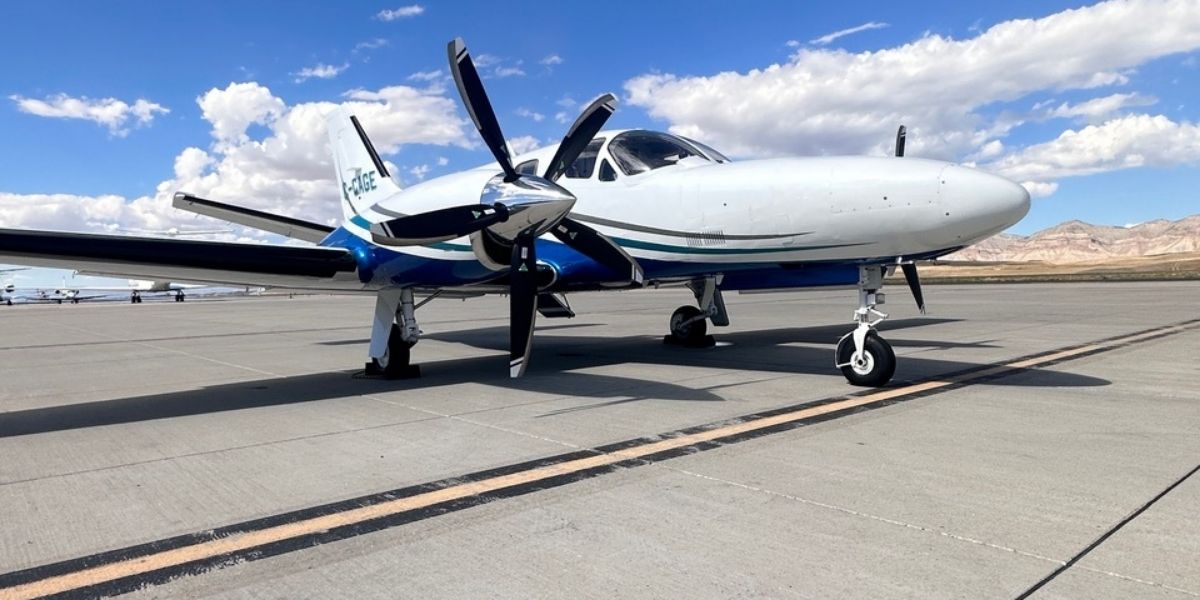
For many clients, private jet charter represents more than just transportation, it is a way to reclaim control over schedules, enjoy true privacy, and travel on their own terms. Whether balancing demanding business calendars or creating memorable personal journeys, travelers increasingly choose this option for its flexibility and comfort.
If you value greater control over your schedule, true privacy, and a travel experience shaped around your needs, luxury private aviation can be genuinely transformative.
Corporate decision-makers rely on it for efficient, productive business travel, while aircraft owners often use it as a flexible complement or alternative to full ownership. Whether you fly occasionally for personal escapes or manage frequent executive air travel, understanding the fundamentals removes uncertainty and helps align every decision with your lifestyle and objectives.
In this guide, we’ll discuss the practical realities of aircraft selection and how private jet charter pricing actually works. You’ll learn ideal booking timelines, the airports private jets can use, how international flights are handled, and the details of professional flight planning. You’ll also discover what to expect on your first charter, the key differences between charter and ownership, and the opportunities presented by empty-leg and repositioning flights.
Quick Summary:
Private jet charter offers flexible, personalized travel tailored to individual schedules and preferences. Costs are based on factors like aircraft type, flight time, and operational requirements rather than per-passenger fares. Travelers benefit from access to thousands of airports, efficient international customs processing, and dedicated flight planning support. Understanding booking timelines, aircraft options, and charter alternatives helps travelers make more informed private aviation decisions.
How Private Jet Charter Pricing Actually Works
Understanding private jet charter costs helps clients make informed choices aligned with their travel requirements. Quotes reflect the full operation of the aircraft for the requested mission, not individual seats. Key influences include aircraft category, distance, duration, and variables such as positioning needs or peak demand
Aircraft fall into broad categories suited to different missions:
- Light jets: Typically accommodate four to eight passengers and deliver strong efficiency on shorter, regional routes.
- Midsize jets: Offer more cabin space and greater range, making them well-suited for transcontinental travel while balancing comfort and performance.
- Super-midsize jets: Extend capabilities with larger cabins and longer nonstop potential, ideal for more demanding itineraries.
- Large-cabin aircraft: Support extended international journeys with greater amenities, higher capacity for groups, and flexibility for longer crew duty requirements.
Key factors shaping quotes include:
- Aircraft type and performance specifications
- Total flight hours, including any positioning segments
- Route specifics, such as fuel costs and overflight permissions
- Trip duration, crew overnight needs, or ground handling
- Seasonal demand or operational complexity
Pricing is calculated on an hourly rate for the whole aircraft. Depending on the trip, you may also see additional charges for catering, ground transportation, or de-icing.
How Early Should You Book a Private Jet?
Private aviation is built for flexibility, and in many cases, same-day flights can still be arranged through access to a wide range of aircraft. That said, if you’re unsure how far in advance to book a private jet, planning ahead typically gives you more aircraft options, greater availability, and more consistent pricing, especially for complex itineraries or preferred jet types.
For regular domestic travel, booking a few days ahead is often enough. During busy travel periods like holidays, major sporting events, ski season, or popular summer getaway months, it’s a good idea to plan further in advance since aircraft availability can become limited quickly.
Consider these timing guidelines:
- Same-day or next-day: Feasible for many short-notice needs with flexibility
- Standard trips: Three to seven days for optimal selection
- Peak seasons and events: Two to six weeks or more for preferred arrangements
- International or multi-leg journeys: Additional buffer for permits and coordination
Clients who communicate changing plans early allow operators to adjust efficiently. The dedicated article on booking timelines explores strategies for peak periods and last-minute scenarios in greater depth.

What Airports Can Private Jets Use?
One advantage of private jet charter is access to a much wider range of airports than commercial airlines typically serve. Depending on the aircraft size and runway requirements, private jets can land at thousands of airports, including smaller regional, municipal, and executive airports that are often located closer to a traveler’s final destination.
Fixed Base Operators (FBOs) serve as private terminals, delivering a streamlined experience distinct from main commercial areas. Passengers often arrive shortly before departure, with concierge support, lounges, and direct ramp access. This setup reduces total door-to-door time significantly for many journeys.
Benefits of FBO and smaller airport use:
- Proximity to business districts, resorts, or private residences
- Minimal congestion and faster processes
- Enhanced privacy and personalized ground services
- Expanded options for remote or specialized destinations
Larger hubs remain available when needed, but strategic airport selection often saves hours compared to commercial routing.
Can Private Jets Fly Internationally?
Private jets regularly fly internationally for business travel, vacations, and multi-country trips. Many modern aircraft are capable of nonstop long-haul flights across continents or oceans, depending on the jet category and route.
International private jet travel is also typically more streamlined than commercial flying. Passengers often clear customs through dedicated private facilities or FBOs, where advance documentation and passenger information help speed up the process. Flight operators also handle permits, scheduling, ground coordination, and other compliance requirements behind the scenes.
Essential elements for international charters:
- Valid passports and any required visas
- Advance passenger and aircraft information submissions
- Coordination for customs, immigration, and agricultural checks
- Fuel stops or crew rest on very long sectors
Flightpath teams manage these logistics, allowing clients to focus on their objectives. The dedicated international operations article provides further guidance on regional requirements and best practices.
How Private Jet Flight Planning Works
Once your private jet charter is confirmed, an experienced operations team gets to work behind the scenes to coordinate every detail of the trip. Private jet flight planning involves close coordination between dispatchers, crew schedulers, and trip support teams to ensure everything runs safely and efficiently.
Dispatchers carefully review weather conditions, map out the most efficient routing, calculate fuel requirements, and account for any airspace restrictions.
Throughout the journey, the team monitors the flight in real time and can make adjustments as needed to keep everything on track.
Key elements of flight planning include:
- Weather analysis and route optimization
- Fuel planning and regulatory compliance
- Crew duty time management and rest requirements
- Coordination with ground handlers and FBOs worldwide
- Ongoing monitoring and real-time communication
This level of coordination, supported by both flight operations and aircraft management services, ensures a safe, efficient, and reliable experience on every mission.
What to Expect on Your First Private Jet Charter
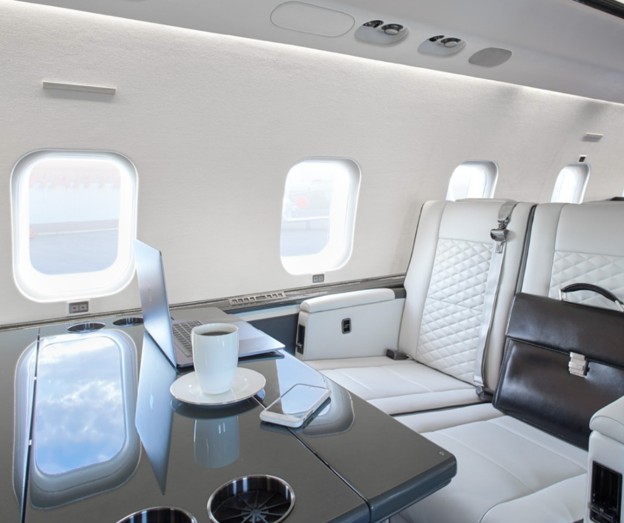
If you’re wondering what to expect on your first private jet charter, the process is usually much simpler than most people anticipate. An experienced charter team will start by gathering a few key details, such as your travel dates, route, number of passengers, and any preferences like catering, ground transportation, or special requests.
From there, they’ll match you with suitable aircraft options based on your trip. Light jets are often used for shorter flights with fewer passengers, while midsize and larger cabins are better suited for longer journeys or added comfort. You can also specify preferences like cabin layout, onboard Wi-Fi, or pet-friendly arrangements to ensure the experience is tailored to your needs.
Typical first-charter steps:
- Provide itinerary and passenger information
- Review aircraft proposals and quotes
- Confirm details and complete booking documentation
- Arrive at the FBO for a relaxed pre-flight experience
- Enjoy personalized service throughout the journey
Expect privacy, flexibility, and a high level of attention to your individual needs throughout the journey.
Jet Charter vs. Ownership
Understanding whether to charter or purchase a private jet is ultimately about balancing flexibility, cost, and how often you fly.
Private jet charter is often the preferred choice for travelers who want flexibility without the long-term costs and responsibilities of owning an aircraft. You simply pay for flights as you need them and can choose the right jet for each trip based on distance, passenger count, and comfort preferences.
Jet ownership, on the other hand, tends to make sense for individuals or organizations that fly frequently and have consistent travel patterns. It offers full control over the aircraft and crew, but also comes with significant ongoing costs, including maintenance, insurance, hangar space, and staffing.
Comparison considerations:
- Charter: No upfront purchase, variable costs per use, broad aircraft choice
- Ownership: Full control and availability, higher fixed expenses, and management demands
- Utilization threshold: Charter is often more practical below several hundred hours yearly
Many clients begin with a charter before evaluating longer-term models.
Empty Leg Flights vs Repositioning Flights
Understanding the difference between empty leg flights and repositioning flights can help you better navigate private jet pricing and availability.
Empty leg flights happen when a private jet is flying without passengers, usually because it’s returning to base or heading to its next pickup after completing a one-way trip. Since the aircraft would be flying anyway, operators sometimes offer these seats at a reduced rate.
Repositioning flights refer to any time an aircraft is being moved to another location for its next scheduled charter. While some of these flights may be made available at lower prices, many are simply part of normal operations and aren’t offered for booking.
Distinctions at a glance:
- Empty legs: Marketed opportunities on otherwise unoccupied sectors
- Repositioning: General aircraft movements, some of which may align with client needs
- Flexibility: Fixed routing and timing versus custom charters
These options provide access points for cost-conscious travelers when schedules align.
Empty Leg Flights for Truly Sustainable Luxury
Empty leg flights offer a more efficient way to experience private aviation by making use of aircraft that would otherwise fly without passengers. When a jet completes a one-way trip, it often needs to return to its base or reposition for its next scheduled charter. Rather than flying empty, these seats can be offered at a reduced rate, helping maximize aircraft usage.
This model is often described as empty leg sustainable luxury, as it blends the exclusivity of private jet travel with a more efficient use of available capacity. By reducing unnecessary empty flights, it supports better resource utilization while still delivering comfort, privacy, and convenience private aviation is known for.
For travelers, it’s a way to enjoy luxury travel that feels both practical and more mindful of how aircraft are operated.
Fly Smarter – Fly with Flightpath
A private charter is more than just booking a flight, it’s about making a series of smart, connected decisions that shape the entire travel experience. From choosing the right aircraft and understanding pricing, to coordinating logistics and international travel details, a little planning goes a long way in creating a smooth journey.
With private aviation, you’re in control of your schedule, have access to exclusive terminals and facilities, and receive support tailored to your specific needs. Whether you’re exploring private travel for the first time or refining an established travel routine, the experience becomes more seamless with the right guidance.
Flightpath is here to support every step of the journey with full aircraft charter services. Reach out to the team to discuss your travel plans or request a tailored quote. Our advisors are available to help match the right solution to your needs.
Frequently Asked Questions
How much does a private jet charter typically cost?
Costs vary by aircraft category, distance, and factors such as positioning or peak timing. Hourly rates provide the foundation, with full quotes detailing all elements. Light jets often start in lower ranges for regional flights, while larger cabins reflect extended capabilities. Consultation yields precise estimates.
Can I book a private jet on short notice?
Yes, many missions accommodate same-day or next-day departures when aircraft and crew availability permit. Flexibility improves outcomes, especially outside peak periods.
Do private jets require special airports?
Private jets operate through FBOs at a wide range of airports, including smaller facilities that enhance convenience. Commercial hubs remain accessible as needed.
What documents are needed for international private jet travel?
Passports, visas where applicable, and completed manifests support clearance. Operators coordinate additional permits and customs requirements.
Are empty leg flights a reliable option?
Empty legs offer savings when routes and timings align but carry less flexibility than custom charters. Availability fluctuates with operational schedules.
How does private jet charter compare to commercial first class?
Charter delivers door-to-door convenience, privacy, airport access advantages, and schedule control beyond seat upgrades on scheduled airlines.
Is pet travel straightforward on private jets?
Most operators accommodate pets with advance notice and any required documentation, providing a more comfortable environment than commercial restrictions.