
As businesses expand across regions and global markets, the ability to travel quickly and reliably can directly influence deal flow, productivity, and executive performance. Corporate aviation supports this by expanding airport access, reducing scheduling constraints, and allowing teams to operate on their own timelines instead of being tied to fixed airline schedules.
For business owners, executives, and frequent private flyers, the value goes beyond efficiency. It’s about maintaining control over time, staying connected across multiple markets without interruption, and arriving ready to make decisions rather than recovering from travel. When schedules are demanding and outcomes are high stakes, the way you travel becomes a meaningful factor in maintaining momentum and focus.
This guide looks at how private jet charter supports demanding business schedules in real-world situations, along with the most common scenarios where corporate aviation is used. That includes how executives and teams move efficiently between cities, how multi-stop business roadshows are structured to protect time and continuity, and why private aviation is often selected for board-level meetings and high-priority executive travel.
It also explores the broader business case, where the value shows up, how decisions are assessed, and when private aviation aligns with both operational and financial priorities.
Taken together, these insights provide a practical understanding of how corporate aviation works in practice, and how it can fit into your travel patterns, business demands, and long-term strategy.
Short Summary: This comprehensive guide explores how corporate aviation and private jet charter support executive travel. From seamless multi-city roadshows and confidential board meetings to broader business applications, clients can discover practical ways to improve productivity, maintain control over schedules, and reach key destinations efficiently. Learn how to look beyond ticket price when evaluating value, and see how Flightpath provides tailored support for your specific needs.

Why Private Jet Charters Are Revolutionizing Business Travel
Business travel often comes with competing demands on time and attention. Leaders are expected to maintain momentum across multiple locations while still preserving energy for high-stakes meetings. Private jet charters help address these pressures by giving greater control over scheduling and aligning travel with real business needs instead of fixed airline timetables.
You can depart when it best fits your meeting schedule, rather than working around rigid flight times. This flexibility reduces unnecessary waiting and makes it easier to build tighter, more efficient itineraries without sacrificing preparation time. The airport experience is also very different, with streamlined processes that significantly reduce time spent in terminals.
Direct routing removes many layovers and connection hubs, enabling point-to-point travel that can save hours on each trip. Smaller and regional airports also become practical options, placing you closer to business districts, manufacturing sites, or final destinations. This reduces ground travel and helps create more predictable arrival times, even during busy air traffic periods.
Time Savings and Productivity in Executive Air Travel
- Schedule flexibility: Departures and arrivals can be aligned directly with your agenda, making it easier to adjust when meetings shift or run over.
- Minimized airport time: Streamlined procedures reduce time spent in terminals, often saving several hours per trip.
- Direct airport access: Reach airports closer to your actual destination, reducing the need to route through major hubs.
- In-flight focus: The cabin becomes a private working space for calls, reviews, or planning without the usual distractions.
Productivity doesn’t stop when you board. Business-ready cabins allow for document review, virtual meetings, and strategy discussions in a secure and controlled setting. Many travelers find they can turn what would normally be downtime into productive work periods.
Reduced fatigue is another important factor. With fewer crowds, less noise, and fewer disruptions, passengers often arrive more focused and better prepared. For frequent travelers, these small gains add up over time and support stronger decision-making and performance.
More broadly, the shift is about regaining control over travel logistics. Aircraft operate on your schedule, allowing businesses to stay responsive in fast-moving markets. This is especially relevant for organizations balancing growth with operational demands. For more context, see the dedicated article exploring why private jet charters are changing business travel.

Planning a Multi-City Business Roadshow by Private Jet
Planning a multi-city business roadshow by private jet involves coordinating multiple stops in a way that maximizes impact across investor meetings, client visits, or partnership discussions. When using commercial airlines, connections and fixed schedules can complicate tight turnarounds and add unnecessary strain.
Flying private simplifies this by allowing fully customized routing based on strategic priorities. You can sequence cities in a logical order, reduce backtracking, and build in appropriate time between meetings. Airport selection also becomes more flexible, allowing you to land closer to event locations and reduce transfer times.
Aircraft choice is also important. Factors such as passenger count, distance, baggage needs, and onboard requirements help determine whether a light, midsize, or larger jet is most appropriate. The cabin can also be used as a mobile workspace for briefings, reviews, or coordination between stops.
Practical Steps for Roadshow Success
- Early itinerary mapping: Develop logical progressions that optimize flow and minimize unnecessary segments.
- Buffer integration: Incorporate realistic intervals for meetings, potential overruns, and transition periods.
- Airport optimization: Prioritize regional options that reduce ground travel and enhance convenience.
- Aircraft matching: Ensure range, capacity, and features support the complete route without compromise.
- Contingency planning: Prepare adaptable solutions for weather, schedule shifts, or emerging opportunities.
For example, a technology company conducting investor meetings across multiple regions can depart in the morning, refine presentations in-flight, and reposition efficiently in the evening. Similar approaches are common in finance and manufacturing, where site visits are paired with stakeholder meetings.
Equipment, materials, and sensitive documents can be transported securely, reducing risks often associated with commercial travel. This reliability helps maintain confidence during high-pressure periods. For growing companies, it also supports expansion efforts while keeping teams focused and aligned.
Experienced operators help manage variables as they arise, keeping itineraries on track. Many clients value the peace of mind this brings during demanding travel periods. For more detail, see the guide on planning a multi-city business roadshow by private jet.
Private Jets for Board Meetings and Executive Travel
Board meetings and executive gatherings often involve confidential discussions, tight timelines, and the need to stay focused between destinations. In these situations, private jets for board meetings and executive travel offer a controlled environment designed for both discretion and efficiency.
Same-day round trips are often possible on many routes, making it realistic to attend key meetings and return without losing an entire day to travel. Direct access to smaller airports also reduces total transit time, leaving more room for preparation and follow-up. It also limits exposure in public terminals, which can be important when handling sensitive topics.
Advantages for Time-Sensitive Executive Needs
- Secure environment: Hold briefings and debriefs with a higher level of confidentiality.
- Compressed schedules: Complete travel and meetings within a single day where feasible.
- Fatigue management: Comfortable cabins help maintain focus and clarity.
- Reliable reach: Access destinations that are less convenient via commercial routes.
Traveling with select team members also improves alignment, allowing conversations to continue in real time. This is especially valuable for distributed leadership teams that need faster coordination.
Small business owners and executives with advisory boards often see similar benefits. With fewer logistical distractions, more attention can be placed on decision-making and outcomes. In industries such as real estate, energy, and professional services, combining meetings with site visits helps maximize the value of each trip.
Ultimately, this approach keeps decision-makers present and engaged where their input matters most. More details are available in the resource on private jets for board meetings and executive travel.
The Business Case for Corporate Aviation
Evaluating the business case for corporate aviation goes far beyond direct travel costs. In many cases, the real value comes from productivity gains, improved access, and reduced disruptions. When senior leaders spend less time in transit, that time is effectively returned to the business.
Direct routing and same-day travel options can increase the number of meaningful interactions with clients, partners, and operational sites. This may eliminate the need for overnight stays on certain routes and free up time for preparation or strategic work. Access to regional airports also expands reach into locations that are not well served by commercial airlines, while reducing delays helps create more predictable schedules.
Building a Practical Evaluation Framework
- Productivity measurement: Track how much work is completed during travel compared to other modes.
- Access value: Consider opportunities that are made possible through improved reach.
- Reliability benefits: Evaluate schedule consistency and reduced coordination challenges.
- Team collaboration: Factor in alignment that happens during shared travel.
- Strategic agility: Assess how quickly teams can respond to new developments.
For small and midsize businesses, even occasional use during key growth periods can deliver meaningful benefits. A focused roadshow or negotiation phase can accelerate outcomes through more efficient execution. Reviewing travel frequency and route patterns helps determine the right approach.
Context matters. Needs involving time sensitivity, discretion, or regional complexity tend to increase the value significantly. The companion article on the business case for corporate aviation provides additional frameworks for evaluation.
Luxury Private Aviation and Broader Applications
Luxury private aviation is not just about transportation, it’s about creating an environment that supports readiness, comfort, and productivity. Cabins can be configured for individual work, rest, or group collaboration, depending on the purpose of the trip. Catering and ground services can also be aligned with personal preferences and arrival requirements.
Use cases extend well beyond executive transport, including site visits, client engagement, and responsive travel when timing is critical. Growing companies often use private aviation to maintain leadership presence without adding unnecessary strain to schedules. Starting with charter services also allows flexibility before committing to longer-term solutions.
Expanding Use Cases in Corporate Aviation
- Site and operational visits: Efficient access to facilities and project locations.
- Client and stakeholder engagement: Travel that supports stronger relationship-building.
- Emergency or opportunistic travel: Fast response when timing is critical.
- Team development travel: Group trips that support alignment and planning.
Modern aircraft also incorporate efficiency-focused features, including considerations around environmental impact. Clients can evaluate options based on their operational needs and priorities. Flightpath helps guide these decisions based on real-world usage patterns.
Safety and operational standards remain central. Reputable providers operate under strict regulatory oversight, ensuring consistency and reliability across all flights.
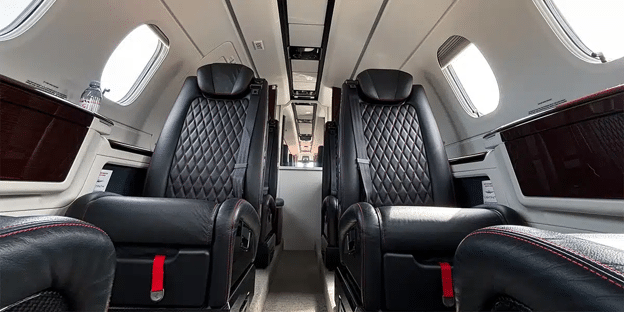
Executive Travel – Elevated with Flightpath
Flightpath provides clear, practical support across charter services, aircraft selection, and coordinated trip planning. The focus is on understanding how each client actually operates, whether that involves occasional strategic trips or a more regular travel schedule.
Rather than applying a one-size-fits-all model, the goal is to align aviation solutions with how your business truly moves. That includes timing, destination patterns, flexibility requirements, and coordination needs for each itinerary.
Contact Flightpath to discuss your travel requirements or request a quote online. We’ll help you review options, coordinate details, and align the right solution with your schedule and objectives, whether it’s a single trip or ongoing support.
Frequently Asked Questions
What is corporate aviation and how does it differ from commercial travel?
Corporate aviation refers to the utilization of private or business aircraft to address organizational travel requirements. It differs from commercial travel primarily through enhanced scheduling flexibility, greater privacy, and broader airport access. You maintain more influence over departure times and routing, which supports executive air travel priorities such as discretion, efficiency, and reduced stress.
How much does a private jet cost for business trips?
Costs for flying privately depend on several variables, including aircraft category, flight distance, number of passengers, and any supplementary services such as catering or ground transportation. Fuel, crew requirements, and aircraft positioning also influence totals.
Is a private jet charter suitable for multi-city roadshows?
Private jets frequently prove well-suited to multi-city roadshows, where complex logistics and tight timelines are common. Charters accommodate custom routing and sequencing, allowing efficient progression across destinations while accommodating adjustments as opportunities evolve.
What are the main benefits for board meetings?
Key benefits for board meetings include confidential travel environments, reduced overall fatigue, and the potential for same-day returns on appropriate routes. You can limit time away from core operations while protecting sensitive discussions from external exposure.
How do you choose the right aircraft for executive travel?
Selecting the appropriate aircraft involves reviewing passenger numbers, total distances, destination airport characteristics, and specific preferences for amenities or configuration. Light jets may suit shorter, smaller-group trips, while midsize or larger options provide additional space and range for extended or team-focused journeys.
Can small business owners benefit from corporate aviation?
Small business owners and affluent professionals often realize advantages from corporate aviation, particularly during growth phases or periods requiring intensive leadership involvement. Time savings and direct access amplify impact, allowing more effective management of key relationships, site oversight, or strategic initiatives.
What safety and reliability measures apply to private charters?
Private charter operators adhere to established regulatory frameworks, employing experienced flight crews and maintaining aircraft to high standards. Safety records, operational transparency, and ongoing compliance form important considerations when selecting providers.