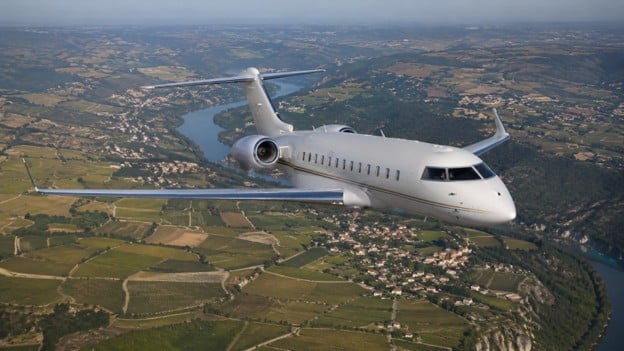
Private jet ownership delivers exceptional control, convenience, and flexibility for frequent travellers, business leaders, family offices, and corporate decision-makers.
However, ownership involves far more than selecting an aircraft. It requires careful planning around:
- Aircraft acquisition
- Operating costs
- Maintenance
- Crew
- Compliance
- Insurance
- Scheduling
- Long-term asset management
This guide provides a practical overview of the ownership journey. Flightpath, with experience in luxury private aviation, executive air travel, aircraft acquisition, charter, and aircraft management, helps owners approach each stage with clarity and confidence.
Whether you are exploring private jet ownership for business, personal travel, or a combination of both, Flightpath brings together advisory experience in luxury private aviation to help owners make informed decisions from the beginning.
Quick Summary:
Private jet ownership is about more than purchasing an aircraft. It requires a clear understanding of travel needs, acquisition strategy, financing, operating costs, management responsibilities, depreciation, and long-term value. This guide explains the key decisions prospective owners and corporate buyers should consider before entering the world of private aviation with confidence.
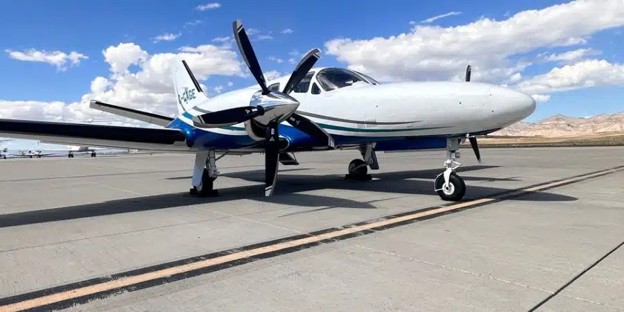
Corporate Aircraft Acquisition Strategy
Corporate aircraft acquisition should begin with one simple question: What does the aircraft need to accomplish?
A strong corporate aircraft acquisition strategy connects aircraft capability to business travel requirements. This includes expected private flights frequency, passenger count, common routes, airport access, baggage needs, onboard productivity, and long-term growth plans. For executive air travel, the right aircraft should support both efficiency and control without creating unnecessary operational complexity.
For businesses, the answer often extends beyond basic transportation. A corporate jet may support:
- Executive mobility
- Client meetings
- Site visits
- Investor roadshows
- Remote operations
- Multi-city travel
- Time-sensitive decisions
Key principle: Start with mission requirements, not aircraft preference.
A company may admire a particular jet, but it may not align with real-world needs (e.g., excessive range, insufficient cabin space, limited runway performance, or mismatched operating costs).
Before comparing aircraft, evaluate real-life usage, including:
- Expected flight frequency
- Typical passenger count
- Common routes
- Airport access requirements
- Baggage needs
- Onboard productivity needs
- Long-term growth plans
Aircraft categories overview:
- Light jets: Best for shorter regional trips with smaller groups
- Mid-size and super-mid-size jets: More cabin comfort, longer range, better luggage capacity
- Heavy and ultra-long-range jets: Ideal for larger groups, international routes, and extended nonstop flights
Range is important, but also consider cabin size, runway performance, fuel burn, maintenance profile, crew requirements, and dispatch reliability.
Private Jets for Sale: How to Buy a Private Jet
Searching for private jets for sale can lead buyers astray.
Before comparing available aircraft, buyers should define what ownership needs to achieve. This includes where the aircraft will fly, how often it will be used, how many passengers it will typically carry, how much luggage is required, and whether the aircraft will be used primarily for business, leisure, or both.
The best aircraft is not always the newest, largest, or most visually impressive. It is the aircraft that fits the mission.
- Where the aircraft will fly
- How often it will be used
- Typical passenger count
- Luggage requirements
- Primary use (business, leisure, or mixed)
The best aircraft is the one that fits your mission, not necessarily the newest, largest, or most impressive.
Key evaluation factors:
- Aircraft capability
- Ownership practicality
- Budget alignment
- Maintenance expectations
- Management structure
- Future resale considerations
Factory-New vs. Pre-Owned
- Factory-new:
- Latest technology
- Full customization
- Manufacturer warranty
- Personalized cabin configuration
- Longer delivery times and higher capital commitment
- Pre-owned:
- Faster availability
- Often a stronger value
- Requires thorough due diligence (logbooks, maintenance history, damage records, engine programs, upcoming events)
A lower purchase price may not be a bargain if major inspections or refurbishments are imminent.

Aircraft Ownership: Key Considerations
Aircraft ownership gives owners a high degree of control, but that control comes with responsibility.
Before purchasing, prospective owners should carefully assess utilization, flexibility, privacy needs, corporate objectives, and the level of support required to operate the aircraft safely and efficiently.
For some travellers, a charter or a block charter program may provide sufficient access without the financial and operational commitment of full ownership. For others, ownership offers the control, availability, and personalization needed to support frequent travel.
The right answer depends on the owner’s priorities.
Aircraft ownership considerations should include more than aircraft type and purchase price. Owners must think about crew, maintenance, insurance, hangarage, scheduling, dispatch, regulatory compliance, and operational oversight. Each element affects safety, reliability, convenience, and the long-term ownership experience.
Essential aircraft ownership considerations:
- Crew hiring and training
- Scheduled and unscheduled maintenance
- Insurance
- Hangarage
- Scheduling and dispatch
- Regulatory compliance
- Operational oversight
Crew: Qualified pilots (with recurrent training) are essential. Cabin crew may also be needed depending on the aircraft and usage.
Maintenance: Involves inspections, component tracking, software updates, and regulatory compliance. Missed items can impact safety, availability, and resale value.
Corporate/governance aspects: Internal policies for usage, cost allocation, security, and scheduling (especially when serving multiple executives or departments).
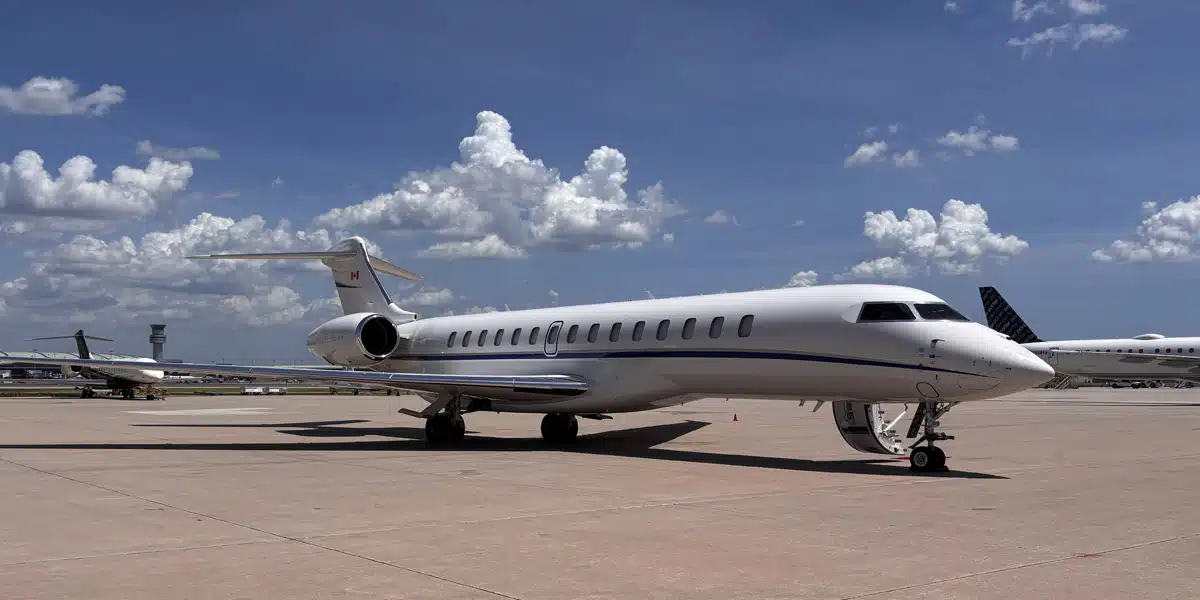
Private Jet Economics: Cost of Owning a Jet
The cost of owning a jet is often misunderstood because ownership expenses do not fall into one simple category. Costs include the purchase price plus fixed costs, variable costs, reserves, financing, management, and resale factors.
Two main cost categories:
- Fixed costs (paid regardless of flying): Crew salaries, hangarage, insurance, management fees, training, subscriptions
- Variable costs (tied to usage): Fuel, maintenance events, landing/handling fees, catering, de-icing
Utilization impact:
- Low usage (e.g., 80 hours/year) → Higher cost per hour (fixed costs spread thinly)
- High usage (e.g., 300+ hours/year) → Better value perception, but higher variable and maintenance costs
Charter revenue option: Placing the aircraft on a managed charter program can offset costs when not in use, but must balance against owner priority, wear-and-tear, and scheduling.
However, more flying also increases variable costs and accelerates certain maintenance requirements.
This is why ownership planning should include realistic utilization forecasts. An owner expecting 80 hours per year may face a different financial case than a corporate flight department expecting 300 or more annual hours. The same aircraft can produce very different ownership economics depending on how it is used.
Owners should also consider whether charter revenue may offset some costs. In certain cases, placing the aircraft on a managed charter certificate may help generate revenue when the owner is not using it. This can improve utilization, but it must be balanced against owner access, wear and tear, scheduling priorities, and market demand.
The Hidden Costs of Private Jet Ownership
Many first-time buyers focus on the aircraft purchase price and headline operating estimates. Those numbers matter, but they rarely tell the full story.
Hidden costs are not always unexpected because they are unusual. More often, they are overlooked because they sit outside the obvious categories of fuel, crew, and maintenance.
These costs can affect the annual ownership budget in meaningful ways.
Common hidden or under-estimated costs:
- Recurrent crew training and simulator time
- Crew travel, hotels, meals, and per diems
- Crew benefits and retention programs
- Positioning flights
- Software subscriptions and administrative tools
- International handling, permits, and overflight fees
- Cabin updates and soft goods replacement
- Scheduling coverage for duty limits, vacations, and disruptions
Professional management helps mitigate many of these issues by building operational depth.
Private Jet Financing Options
Private jet financing is specialized because aircraft are high-value, mobile, regulated assets with unique depreciation patterns, maintenance requirements, and resale considerations.
Unlike standard vehicle financing, aircraft finance requires a detailed understanding of the asset, its records, its market value, its expected usage, and the ownership structure behind the purchase.
Some buyers pay cash. Others finance to preserve liquidity or align ownership costs with broader corporate financial planning.
Common approaches:
- Cash purchase
- Aircraft loans (with down payment, interest, and amortization)
- Leasing (for shorter-term access without full ownership)
- Corporate ownership structures (for liability, tax, and governance benefits)
Financing should align with cash flow, tax planning, expected ownership duration, and overall strategy. Always consult aviation, tax, and legal advisors.
Repayment approaches also vary. Some buyers prioritize predictable monthly payments. Others prefer structures that align with liquidity events, business cycles, or expected resale timing. Because every aircraft and buyer profile is different, financing should be evaluated as part of the broader ownership strategy.
Private Jet Depreciation Explained
Depreciation of private jets is not just an accounting concept. In private jet ownership, it is a real asset-management issue that affects long-term cost, resale strategy, financing decisions, and upgrade timing.
Factors influencing aircraft value:
- Age and market demand
- Total time and cycles
- Maintenance history and program enrollment
- Cabin condition and interior updates
- Avionics and regulatory compliance
- Broader economic conditions
Two aircraft of the same model can have very different values based on records, usage patterns, and care. Proactive owners protect value through strong maintenance records, strategic upgrades, and well-timed market entry/exit.
Depreciation should be considered before purchase, during ownership, and ahead of resale. Owners who plan proactively can protect value by maintaining strong records, completing upgrades strategically, and choosing the right time to enter or exit the market.
Fly with Confidence — Fly with Flightpath
Private jet ownership can be deeply rewarding when it is built on the right strategy.
The aircraft should fit the mission. The financial structure should support the owner’s goals. The management plan should protect safety, compliance, and reliability. The long-term strategy should consider utilization, cost control, depreciation, resale value, and the owner’s preferred travel experience.
That is why guidance matters.
Flightpath supports private aviation clients with a practical, advisory approach shaped by real operational experience. Operating across Canada and the United States, Flightpath understands the needs of business travellers, aircraft owners, corporate flight departments, and individuals seeking a higher standard of private aviation.
For some clients, the right path may be aircraft ownership. For others, private jet charter, aircraft management, acquisition support, or a blended solution may provide the best balance of flexibility, control, and cost efficiency.
The goal is not simply to buy an aircraft. The goal is to make private aviation work intelligently for the way you travel.
Whether you are beginning to explore private jet ownership, comparing aircraft types, reviewing financing options, or looking for expert support with acquisition and aircraft management, Flightpath can help you move forward with clarity.
Contact Flightpath to start a consultative conversation about aircraft ownership, executive air travel, private jet charter, or aircraft management solutions tailored to your needs.
Frequently Asked Questions About Private Jet Ownership
Is private jet ownership worth it?
Private jet ownership may be worth it for individuals, families, or companies that fly frequently and need greater control over scheduling, privacy, aircraft availability, and travel experience. It can be especially valuable when commercial travel creates delays, limits access to certain destinations or reduces productivity. However, ownership should be evaluated carefully against charter, fractional ownership, or aircraft management options.
How much does private jet ownership cost?
The cost of private jet ownership depends on the aircraft type, age, utilization, crew requirements, maintenance status, financing structure, insurance, hangarage, and management needs. Owners should account for both fixed costs, such as crew salaries and insurance, and variable costs, such as fuel, maintenance, landing fees, handling, catering, and trip-specific expenses.
What should I consider before buying a private jet?
Before buying a private jet, prospective owners should assess travel frequency, common routes, passenger count, baggage needs, preferred airports, range requirements, cabin expectations, budget, and long-term ownership goals. It is also important to consider crew, maintenance, insurance, hangarage, regulatory compliance, dispatch support, and resale value before making a purchase.
Should I buy a new or pre-owned private jet?
A new private jet may offer the latest technology, full customization, warranty coverage, and a cabin designed around the owner’s preferences. A pre-owned aircraft may offer faster availability and stronger value, but it requires careful due diligence. Buyers should review maintenance records, logbooks, inspection history, damage history, avionics, cabin condition, engine programs, and upcoming maintenance requirements.
Can I offset ownership costs by chartering my aircraft?
In some cases, owners may offset a portion of their operating costs by making the aircraft available for charter when they are not using it. This can improve utilization and generate revenue, but it must be balanced against owner availability, added wear and tear, scheduling flexibility, charter demand, and regulatory requirements. Professional aircraft management can help determine whether this approach makes sense.
What is included in private jet management?
Private jet management can include crew hiring and oversight, maintenance coordination, flight scheduling, dispatch, regulatory compliance, insurance support, hangar coordination, budgeting, recordkeeping, charter management, and passenger service planning. The goal is to help owners operate the aircraft safely, efficiently, and with fewer administrative demands.
How does depreciation affect private jet ownership?
Depreciation affects the long-term value of a private jet and should be considered before purchase, during ownership, and before resale. Aircraft value can be influenced by age, cycles, total flight time, maintenance history, cabin condition, avionics, manufacturer support, and market demand. Strong records, proactive maintenance, and timely upgrades can help protect resale value.