
Private jet travel across Canada is about more than moving between cities, it’s about navigating a vast, diverse country where distances are long, weather can change quickly, and destinations range from major business hubs to remote retreats. No two trips are the same, making careful planning essential.
If you’re exploring private jet travel destinations in Canada, understanding how the aviation network works gives you a clear advantage, helping you travel more efficiently, avoid delays, and make smarter decisions throughout your journey.
Quick Summary: Private jet travel across Canada requires strategic planning due to long distances, regional airport access, and seasonal conditions. From major hubs like Toronto and Vancouver to remote destinations like Banff, efficiency depends on aircraft selection, routing, and timing. This guide breaks down key destinations and planning considerations so you can navigate private aviation across Canada with greater clarity, flexibility, and control.
How Private Jet Travel Works Across Canada
Canada’s geography shapes everything about private aviation. Unlike smaller countries where multiple cities sit within short flight ranges, Canadian travel often involves long, transcontinental routes and strategic fuel planning.
Long Distances and Regional Connectivity
Flying from Toronto to Vancouver is roughly 2,100 nautical miles. Montreal to Calgary isn’t far behind. These aren’t short trips, they are full cross-country operations that require careful coordination.
Because of this, private jet charters in Canada operate more like a network of regional hubs:
- Eastern Canada: Toronto, Montreal, Ottawa
- Western Canada: Calgary, Vancouver
- Atlantic Canada: Halifax
- Northern and remote regions: accessed through smaller regional airports
This hub structure allows you to move efficiently between business centres while still accessing remote or leisure destinations that commercial airlines often serve less directly.
Aircraft Selection for Range and Weather
Aircraft selection goes beyond passenger capacity, it directly impacts routing, timing, and overall reliability. In Canada, weather is a key factor, especially in winter, when de-icing, runway performance, and potential rerouting due to storms or low visibility must be considered.
Choosing the right aircraft for both your route and conditions helps minimize delays, avoid unnecessary stops, and maintain a consistent schedule.
Planning Between Regions
Efficient private jet travel in Canada depends heavily on how well your trip is structured between regions. Key factors include airport availability, potential fuel stops, time zone differences across provinces, and ground transportation at more remote destinations. For business travel, this becomes even more critical when coordinating same-day meetings across multiple cities.
Key Canadian Business and Leisure Destinations
Canada’s private aviation demand is driven by a mix of corporate, government, and high-end leisure travel. Understanding how these destinations function helps you plan smarter routes and avoid common inefficiencies.

Flying Private to Toronto
Toronto is Canada’s primary business hub, making it one of the busiest private jet destinations. When flying private to Toronto, the key decision is choosing the right airport. Billy Bishop Toronto City Airport offers fast access to downtown, while Toronto Pearson International Airport provides greater flexibility for larger aircraft and international travel.
Flying Private to Montreal
When planning a private flight into Montreal, consider which airport provides the best access to your destination, along with seasonal traffic spikes from events like festivals, the Grand Prix, and winter travel.
Montreal-Trudeau International Airport serves as the primary gateway with strong private aviation infrastructure, and if your itinerary includes multiple stops, planning your route in advance can save significant time.
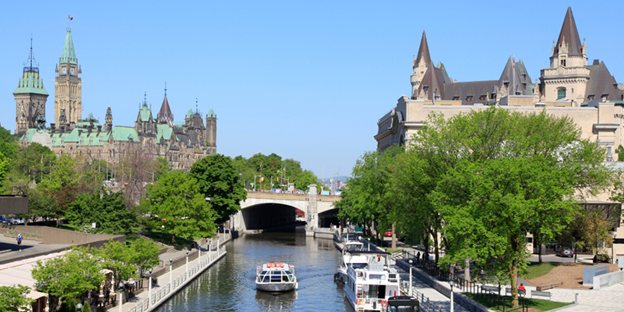
Flying Private to Ottawa
Ottawa’s private jet charter demand is primarily driven by government and policy travel, while also supporting leisure travel thanks to its cultural attractions, history, and year-round activities.
Executives, advisors, and officials frequently travel between Ottawa and major cities like Toronto, Montreal, and Calgary.
Key considerations include proximity to Parliament Hill and government offices, the need for flexible scheduling to accommodate last-minute meetings, and the ability to complete efficient same-day return trips. Ottawa Macdonald–Cartier International Airport offers straightforward access with less congestion than larger hubs.
Flying Private to Calgary
Travelling to Calgary on a private jet is often time-sensitive. Calgary sees steady business travel between cities like Toronto and Vancouver, alongside increased leisure demand during ski and summer seasons.
While Calgary International Airport offers strong private aviation access, travel to Banff or Lake Louise requires factoring in a 1.5 to 2-hour ground transfer, along with weather and resort coordination.
Flying Private to Vancouver
Vancouver is one of Canada’s most versatile private jet destinations. It supports both high-level business travel and luxury leisure experiences.
From a business perspective, planning a private jet charter to Vancouver requires careful airport selection between Vancouver International Airport and limited-use options like Vancouver Harbour Flight Centre, with weather conditions, particularly fog and rain during winter and shoulder seasons, playing an important role in planning.

Flying Private to Banff
Banff has no airport, which adds an extra planning step but remains highly efficient when structured correctly. It offers year-round appeal, from winter ski and alpine travel to summer hiking, events, and scenic tourism.
The standard routing is to fly into Calgary and transfer by ground to Banff or Lake Louise. When planning a private charter to Banff, it’s important to align your flight with ground transportation and final destination timing.
Flying Private to Halifax
Halifax serves as the primary gateway to Atlantic Canada. It combines business travel with seasonal tourism demand, particularly in summer and early fall.
Luxury private jet travel to Halifax is commonly used for regional business, coastal property access, and maritime industry travel. Halifax Stanfield International Airport provides reliable infrastructure with relatively low congestion, making it a consistent entry point. However, seasonality plays a significant role, with peak periods requiring earlier booking and more precise coordination.
When to Plan Around Seasonality in Canada
Seasonality is one of the most important factors in Canadian private aviation. It affects everything from aircraft availability to airport congestion and weather reliability.
Winter Travel Considerations
Winter introduces complexity across most regions:
- De-icing procedures increase ground time
- Snowstorms can impact departure and arrival windows
- Mountain destinations require careful planning
Ski season also drives demand in:
- Calgary (Banff access)
- Vancouver (Whistler access)
Booking earlier and allowing buffer time is essential.
Summer Travel Peaks
Summer is the busiest season for leisure travel across Canada.
High-demand destinations include:
- Vancouver and coastal regions
- Muskoka and cottage country (via Toronto)
- Atlantic Canada (Halifax and surrounding areas)
Expect:
- Higher airport traffic
- Limited aircraft availability
- Increased demand for premium time slots
Shoulder Seasons
Spring and fall can offer more flexibility, but weather variability increases.
You may encounter:
- Fog in coastal regions
- Rain impacting visibility
- Changing conditions in mountainous areas
Planning with flexibility in timing and routing can help you avoid disruptions.

Key Considerations When Planning Private Jet Travel in Canada
Travelling by private jet to destinations in Canada is shaped by geography, infrastructure, and demand patterns. From Toronto’s financial core to Banff’s alpine landscape, each destination requires a tailored approach.
Understanding how these locations connect allows you to optimize routing between regions, reduce unnecessary stops, and align flights more effectively with your schedule.
The Destination
Private jet destinations across Canada range from major cities to remote leisure regions. The key is knowing which airports best support private aviation and how to reach your final destination efficiently, including selecting the right airport, planning transfers, and coordinating multi-city itineraries.
For a deeper breakdown of routes, regions, and planning strategies, explore our ultimate guide to private jet destinations.
The Flightpath
Flightpath planning is essential in a country as large as Canada, determining whether flights are non-stop or require fuel stops, how weather affects routing, and the most efficient path between regions. A well-planned flightpath saves time and reduces complexity.
Flying Private
Flying private in Canada is defined less by onboard features and more by efficiency, flexibility, and access. What matters most is getting closer to your destination, avoiding delays and congestion, and structuring travel around your priorities.
Executive Air Travel
Executive air travel across Canada supports business leaders who need to move quickly between cities. Private aviation allows you to attend multiple meetings across provinces in a single day, maintain full control over your schedule, and travel directly to smaller regional airports.
Fly Smarter with Flightpath
Navigating private jet travel across Canada requires more than just booking an aircraft. It takes experience, foresight, and a deep understanding of how the country’s aviation network operates.
That’s where Flightpath comes in.
Whether you’re planning a cross-country business trip, coordinating travel to multiple destinations, or organizing a seasonal getaway, having the right advisory support makes a measurable difference.
With the right strategy, you can choose the most efficient airports, select aircraft that align with your routing and schedule, avoid delays caused by weather or congestion, and build itineraries that maximize your time on the ground rather than in transit.
As a leading private aviation company, Flightpath works with clients at every stage, from initial planning to execution, helping ensure your travel is seamless and aligned with your priorities.
Frequently Asked Questions
What are the most common private jet travel destinations in Canada?
The most common destinations include Toronto, Montreal, Calgary, Vancouver, Ottawa, and Halifax. These cities serve as major hubs for both business and leisure travel, with strong private aviation infrastructure.
How far in advance should I book a private jet in Canada?
For peak seasons like winter ski travel or summer holidays, booking 1–2 weeks in advance is recommended. For standard business travel, a few days’ notice is often sufficient.
Can private jets access smaller or remote Canadian airports?
Yes. One of the main advantages of private aviation is access to smaller airports that commercial airlines do not serve. This is especially useful for reaching remote or leisure destinations.
What factors affect flight time across Canada?
Flight time depends on distance, aircraft type, weather conditions, and routing. Cross-country flights typically range from 4 to 6 hours, depending on these variables.
Do I need to plan differently for winter travel?
Yes. Winter requires additional planning due to weather, de-icing, and potential delays. Choosing the right aircraft and allowing extra time can help ensure a smooth trip.
Is it possible to visit multiple cities in one day?
Yes. Private aviation makes it possible to schedule multiple meetings across different cities in a single day, especially along high-frequency routes like Toronto–Montreal–Ottawa.
What’s the best airport to use in major cities?
It depends on your destination within the city and your aircraft type. Downtown airports offer convenience, while larger international airports provide greater flexibility for aircraft size and international travel.
Bringing It All Together: Smarter Private Aviation in Canada
Private jet travel across Canada is less about simply getting from point A to point B, and more about how efficiently you can navigate everything in between. The country’s size, climate, and diversity of destinations mean that every trip benefits from thoughtful planning.
When you understand how regional hubs connect, how aircraft selection impacts your routing, and how seasonality affects operations, you gain a clear advantage. You’re no longer reacting to logistics, you’re controlling them.
Whether you’re flying between major business centres like Toronto and Calgary, heading west to Vancouver, or planning a leisure trip to Banff or the East Coast, the key is preparation. Small decisions, like choosing the right airport or adjusting your departure time, can save hours and significantly improve your overall experience.
If you’re looking to make your travel more efficient, connect with Flightpath to discuss your travel needs, request a quote, or start mapping out your next journey. With the right guidance, navigating private jet travel destinations in Canada becomes not just easier but significantly more effective.